By: Kendall Deas and Susan Schramm-Pate
Introduction
The efforts of our outstanding interdisciplinary research team in securing a civic engagement grant from the U.S. Department of Education and organizing a highly successful first-year travel study for 40 teachers from Sumter and Darlington County School Districts resulted in an invaluable learning experience for this group of educators from various subject areas such as History, U.S. Government, and Geography and different grade levels. Through an immersive journey, spanning 5-days across Roanoke, Yorktown, Philadelphia, and Annapolis, these teachers were able to delve into the heart of the American Revolution, and gain first-hand knowledge of America’s early days. These educators participating in our grant’s civic engagement summer travel study gained a wealth of knowledge and experience from this extraordinary opportunity that will undoubtedly enrich their classroom curriculum and teaching pedagogy and also inspire a deeper understanding and appreciation of America’s history in their students during the 2024-2025 academic year. This grant teams’ dedication to the pursuit of improving civic engagement education through sharing our nation’s historical narratives has created a lasting impact on the lives of the participating teachers and subsequently, the students who will benefit from their enriched instruction. Moreover, the achievement of our research team in securing this federal grant to enhance civic engagement education serves as a testament to the power of passion and dedication in ensuring that our educators are well-equipped to foster a love of history and an understanding of the enduring impact of the American Revolution and the early days of the United States of America.
DAY ONE
July 16, 2024 (Afternoon)
Fort Raleigh National Historic Site
The teacher participants from the Sumter and Darlington School Districts along with four University of South Carolina professors arrived at the Fort Raleigh National Historic Site at 8:00PM EST to experience the “Lost Colony Mystery Show.” The Fort Raleigh National Historic Site is located on the northern end of Roanoke Island, North Carolina, is a protected area that preserves the history of England’s first New World settlements, including the famous “Lost Colony” established in 1587. This site also commemorates the cultural heritage of Native Americans, European Americans, and the African Americans who have inhabited Roanoke Island. Visitors can explore the reconstructed fort, the Elizabethan Gardens, and various monuments and trails while learning about the mysterious disappearance of the colonists and the rich history of the area. The site also hosts ranger programs and cultural exhibits, offering a deeper understanding of the past. Additionally, Fort Raleigh National Historic Site is home to the outdoor drama “The Lost Colony,” which brings to life the story of the English Settlers and their fate. With its unique blend of history, culture, and natural beauty, Fort Raleigh National Historic Site offers an engaging and educational experience for visitors interested in America’s early colonial history. “The Lost Colony” is an outdoor symphonic drama that takes place at the Fort Raleigh National Historic Site. The show tells the story of England’s first attempt to establish a colony in the new world and explores the mysterious disappearance of the colonists, known as the” Lost Colony.” The show has been performed at the Waterside Theater during the summer since 1937 and is presented by the Roanoke Island Historical Association. The Fort Raleigh National Historic Site also offers a variety of ranger programs, exhibits, and a walking tour that delve deeper into this fascinating and enigmatic chapter of American history.
DAY TWO
July 17, 2024 (Morning)
Jamestown Settlement (Virginia)
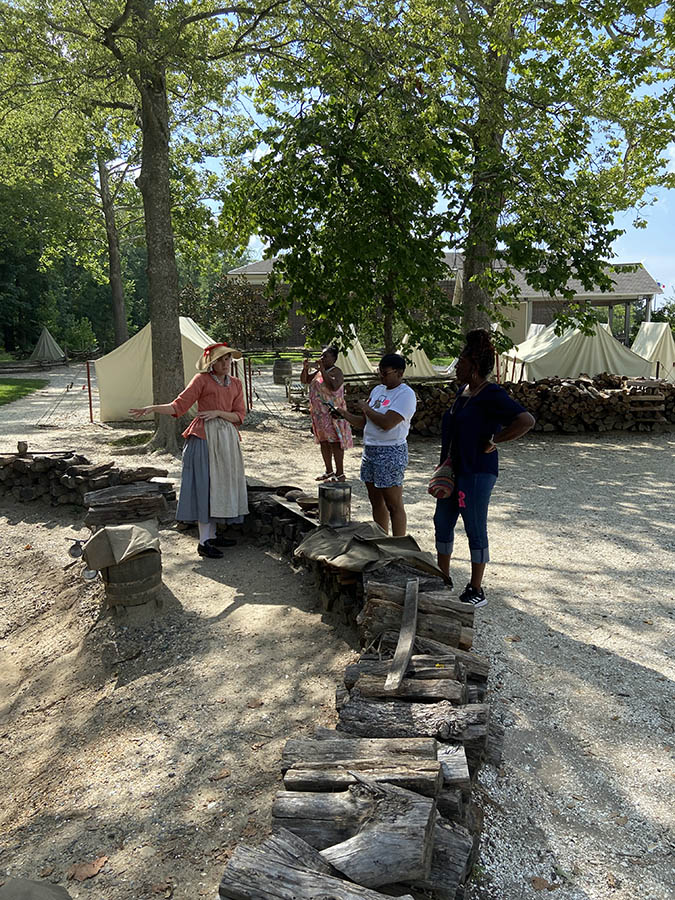
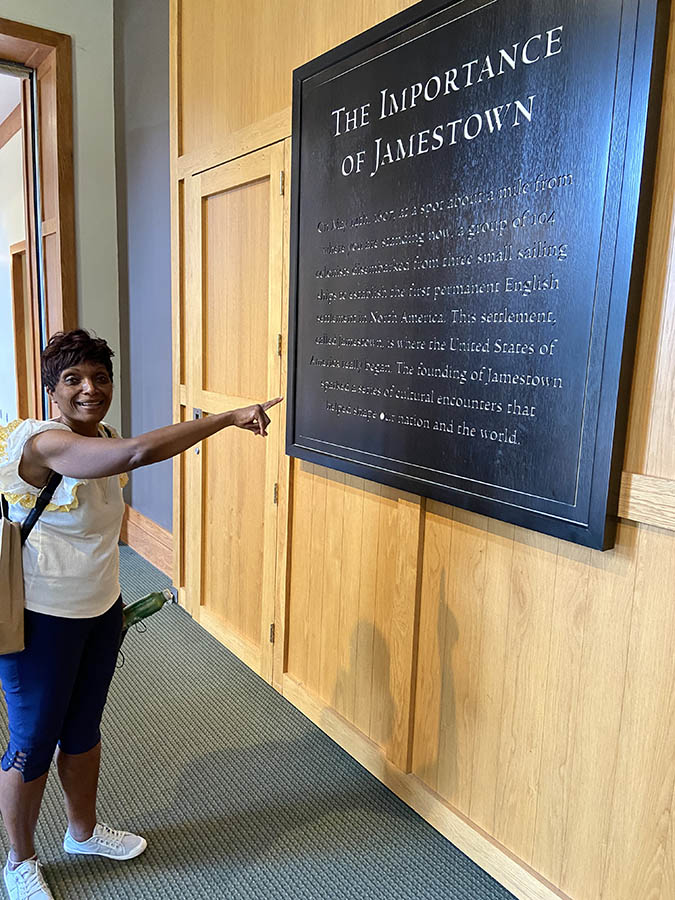
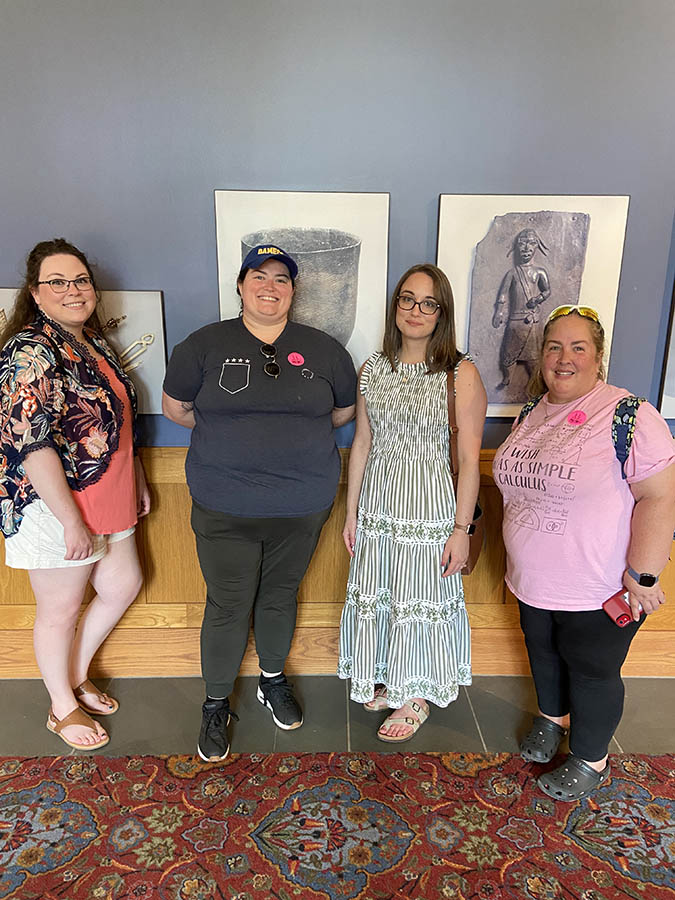
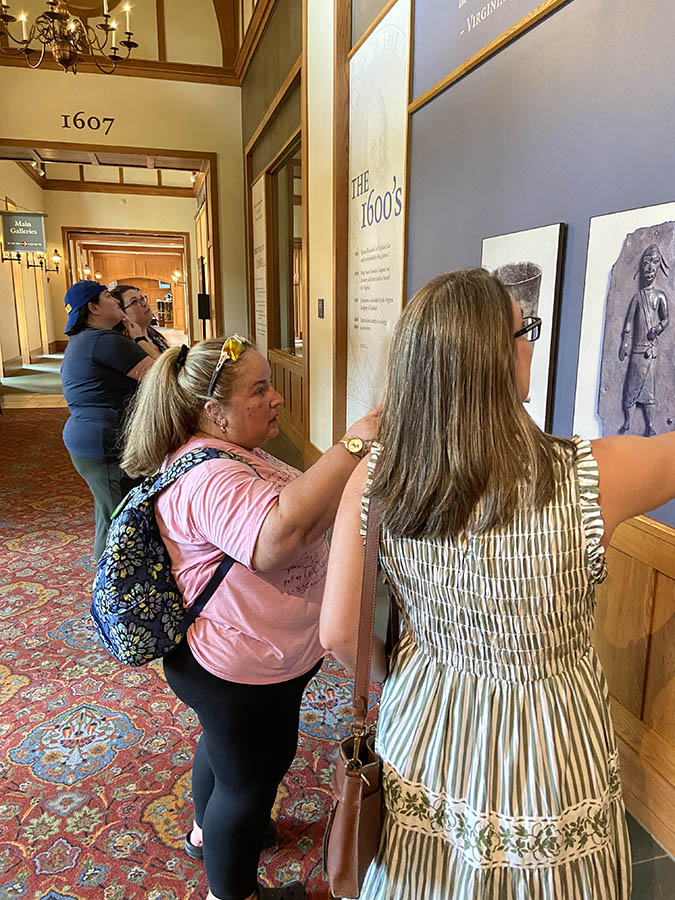
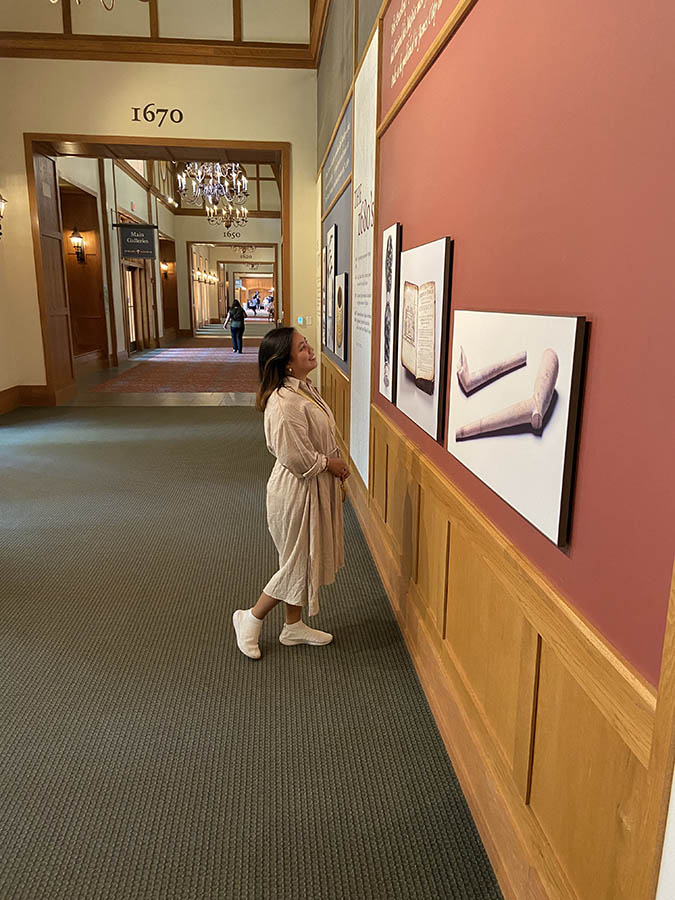
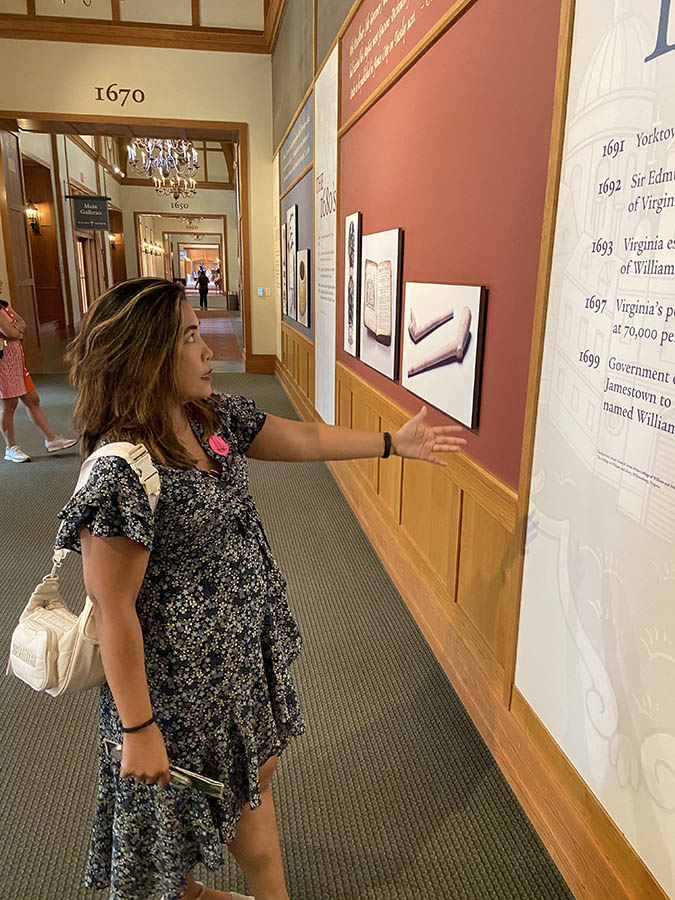
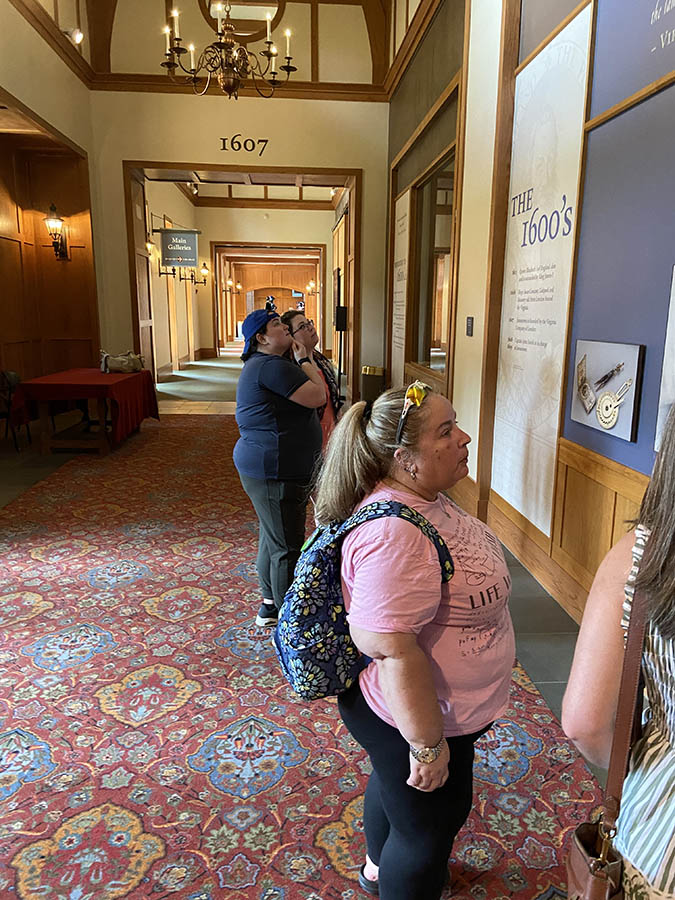
Our civic engagement summer study group arrives at the Jamestown Settlement the next morning. The Jamestown Settlement is a living-history museum located near the original site of the first permanent English colony in America, Jamestown, Virginia. Established in 1957 to commemorate the 350th anniversary of Jamestown’s founding, the museum aims to tell the story of seventeenth century Virginia and the convergence of three cultures- Powhatan Indian, English, and West Central African. The museum features a variety of interactive exhibits which include:
- Recreations of the original fort, the Powhatan Indian village, and three replica ships-the Susan Constant, Godspeed, and Discovery-that brought English colonists to Virginia in 1607.
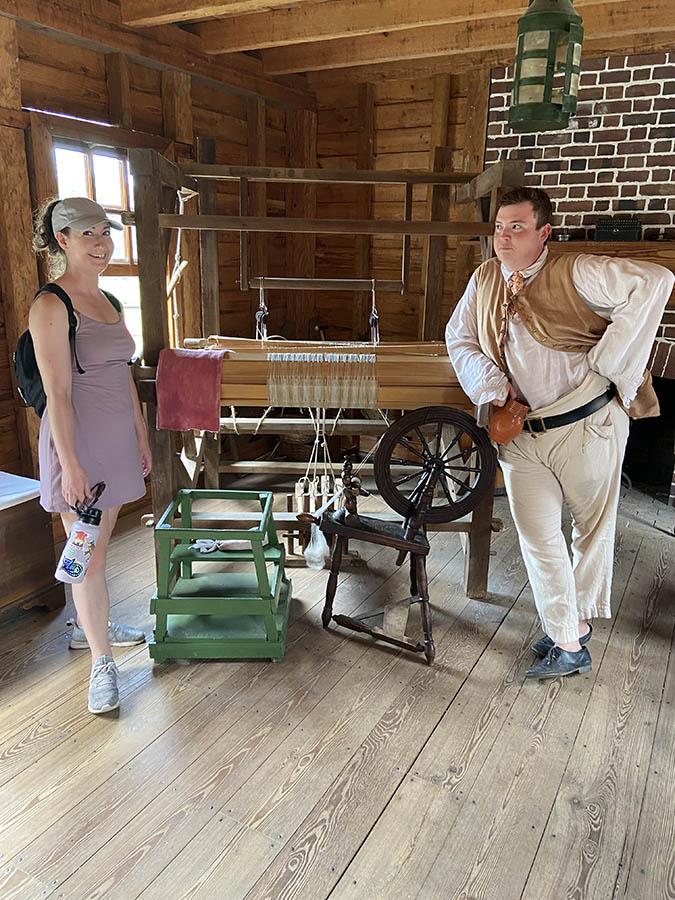
- Costumed historical interpreters who demonstrate and explain various aspects of seventeenth century life.
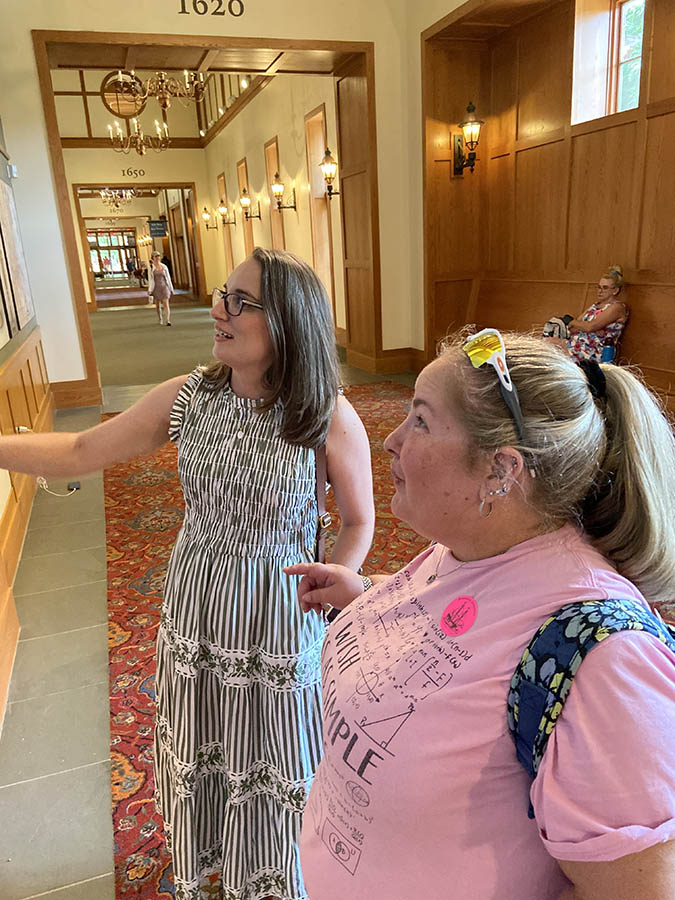
- Expansive indoor galleries with films and interactive exhibits exploring the cultures of the Powhatan Indians, English colonists, and West Central Africans who lived in Virginia during the 1600s. Jamestown Settlement also hosts specific events and programs throughout the year, providing visitors with an immersive, educational, and entertaining experience that explores the early history of the United States.
DAY TWO
July 17, 2024 (Afternoon)
Jamestown Settlement (Virginia)
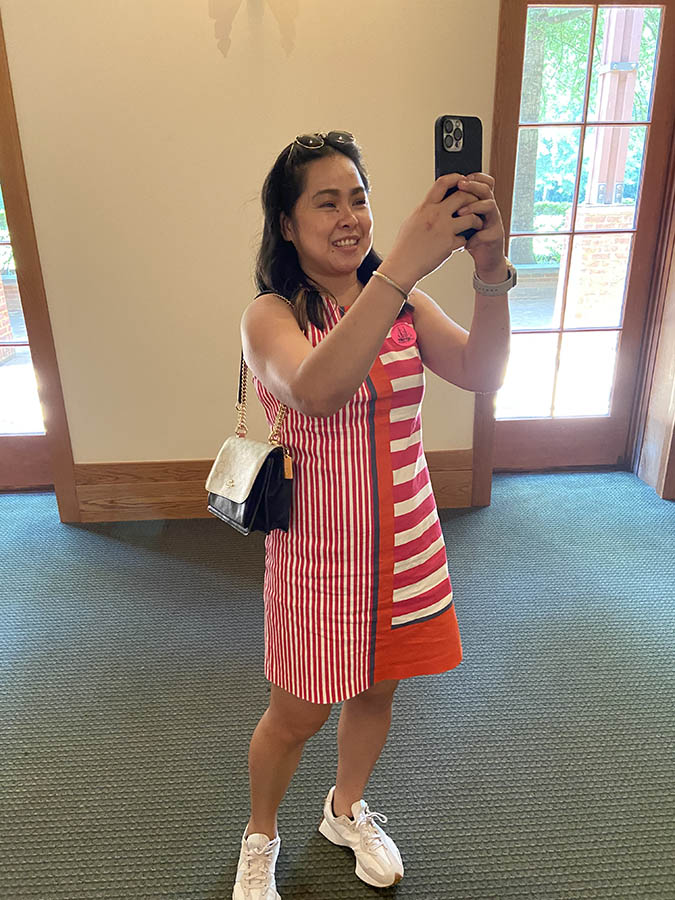
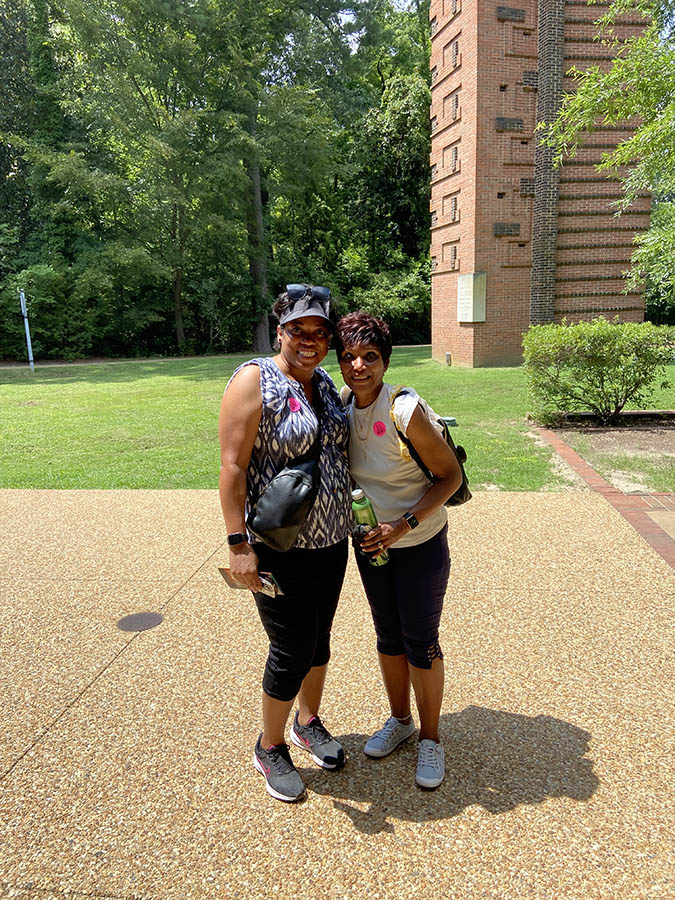
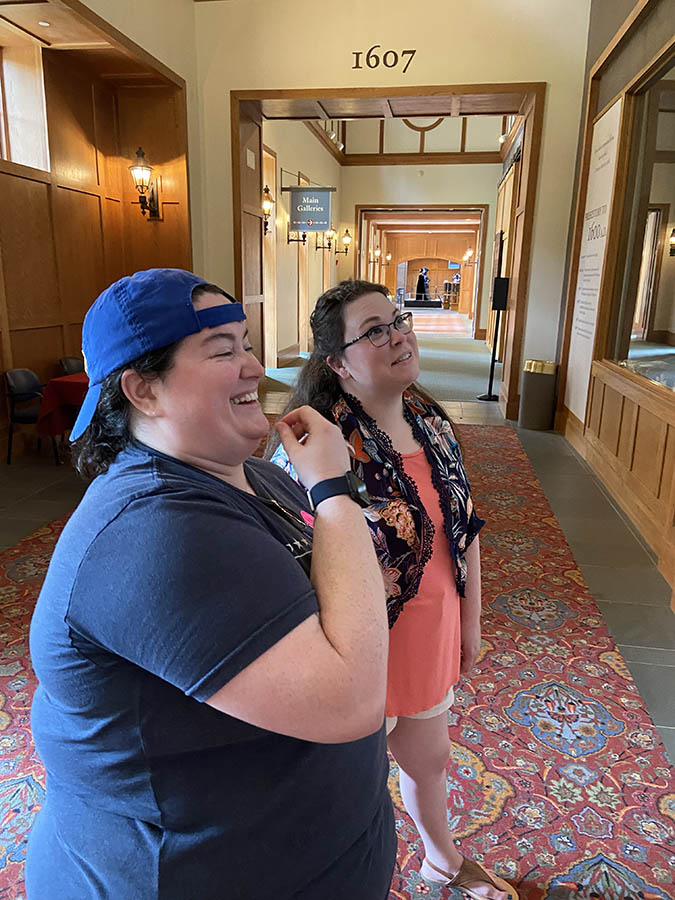
Our summer travel study group drove from Jamestown to Yorktown, Virginia. We had an excellent guided tour of Yorktown which was an immersive experience that explored the rich history of this historic location. The tour received rave reviews from the participating teachers, one of whom said, “they gained a comprehensive look at the Battle of Yorktown, where American independence was won. Another teacher participant stated, “the tour gave them a unique and engaging way to explore Yorktown’s history.” Sumter and Darlington’s educators indicated that they had flexibility to choose the various exhibits that best fit their scholarly interests and that they were very appreciative of this.





DAY THREE
July 18, 2024
Philadelphia, Pennsylvania
Independence Square/National Historic Park in Philadelphia is a nationally protected area that encompasses several historic sites and buildings associated with the American Revolution and the birth of American democracy. It is often referred to as “America’s most historic square mile” due to its rich history and importance in shaping the United States. Our teacher participants explored through a self-guided tour some of the key attractions in Independence Square/National Historic Park including the following:
- Independence Hall-The birthplace of the Declaration of Independence and the U.S. Constitution., where the Founding Fathers debated and signed these significant documents in our nation’s history.
- Liberty Bell Center-Home of the iconic Liberty Bell, a worldwide symbol of freedom and democracy.
- Congress Hall-The meeting place of the United States Congress in the 1790s.
- National Historic Center-A Museum dedicated to the U.S. Constitution and its history.
The teacher participants agreed that these landmarks and others in Independence Square/National Park offered them an opportunity to learn about the pivotal moments and figures that shaped American history.
DAY FOUR (Morning)
July 19, 2024
Philadelphia, Pennsylvania
The National Constitution Center, located in Philadelphia, Pennsylvania, is a one-of-a-kind museum dedicated to the study of the United States Constitution. As the museum of “We the People,” the center offered our teacher cohort a variety of interactive exhibits, educational programs, and civic learning resources, both onsite and online. The participating teachers engaged with exhibits that explore the history, significance, and challenges of the U.S. Constitution and its amendments, as well as the lives and ideas of the Founding Fathers and other historical figures. The center also hosts a range of public discussions, debates, and events featuring government leaders, journalists, scholars, and celebrities. Although it does not house the original U.S. Constitution (which is kept at the National Archives Building in Washington, D.C.), the National Constitution Center provides a unique opportunity to deepen one’s understanding of the U.S. Constitution’s role in shaping American democracy.
DAY FOUR (Afternoon)
July 19, 2024
Annapolis, Maryland
The final stop for our summer travel study program to promote civic engagement education was The Kunta Kinte-Alex Haley Memorial, located in historic Annapolis, Maryland and is a powerful tribute to the strength of the human spirit in times of adversity. The memorial is dedicated to the story of Kunta Kinte, an enslaved African who arrived in Annapolis in 1767, as groundbreaking book “Roots: The Saga of an American Family.” The memorial serves as a symbol of national racial reconciliation and healing, emphasizing the importance of maintaining strong family connections and preserving cultural heritage. It consists of three distinct areas: the Alex Haley sculpture group, Compass Rose, and Story Wall. It is the only memorial in the country that commemorates the actual name and place of arrival of an enslaved African. The Kunta Kinte-Alex Haley Memorial stands as a poignant reminder of the resilience and perseverance of the human spirit, while also encouraging reflection on the dark history of slavery and the ongoing pursuit of racial justice. After visiting the Kunta-Kinte monument, the teachers from the Sumter and Darlington School Districts explored Annapolis, Maryland which is a charming coastal city with a rich history and a wide variety of attractions. Our summer travel study group spent time outdoors enjoying Annapolis, and its coastal charm and delicious food.